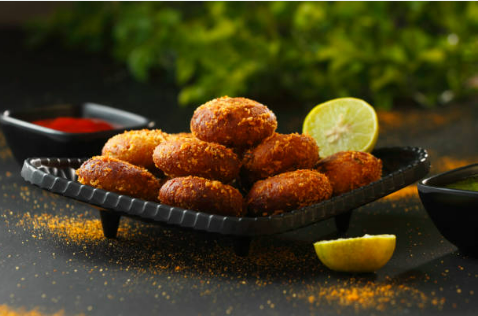
In my head, the perfect kachori was golden, puffed like a balloon, and layered with flaky bliss. I had seen them in shops — dramatic domes of pastry that promised pure indulgence. So I decided to chase one of my own. I followed recipes, measured carefully, and waited for that glorious puff. But the result came out thicker, denser — and yet, surprisingly delicious.
Chasing the golden balloon
The puffed kachori I was after is a Rajasthani classic: crisp, flaky, filled with spiced onion or lentils, eaten hot with tamarind chutney. Achieving that puff requires the right ratio of fat in the dough, the right thickness, and oil at exactly the right temperature. Miss any one of those and the balloon does not inflate.
Two tales of a single snack
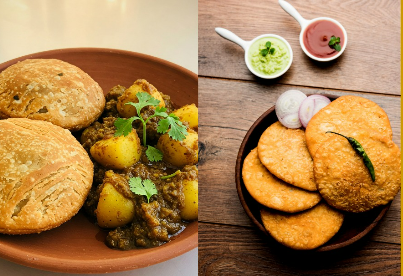
My thicker, denser version turned out to be a closer relation to the khasta kachori of Uttar Pradesh — sturdy, substantial, made to be eaten with a generous pour of aloo sabzi. Less dramatic than its Rajasthani cousin, but no less legitimate. Different dough, different filling, different purpose — the same name, the same spirit.
What the failure taught
The mistake was in assuming kachori was one thing when it is actually a family. A word that stretches across regions and carries different meanings in different kitchens. The lesson was about the humility of a beginner's mind — the willingness to let the food tell you what it is rather than insisting it become what you imagined.