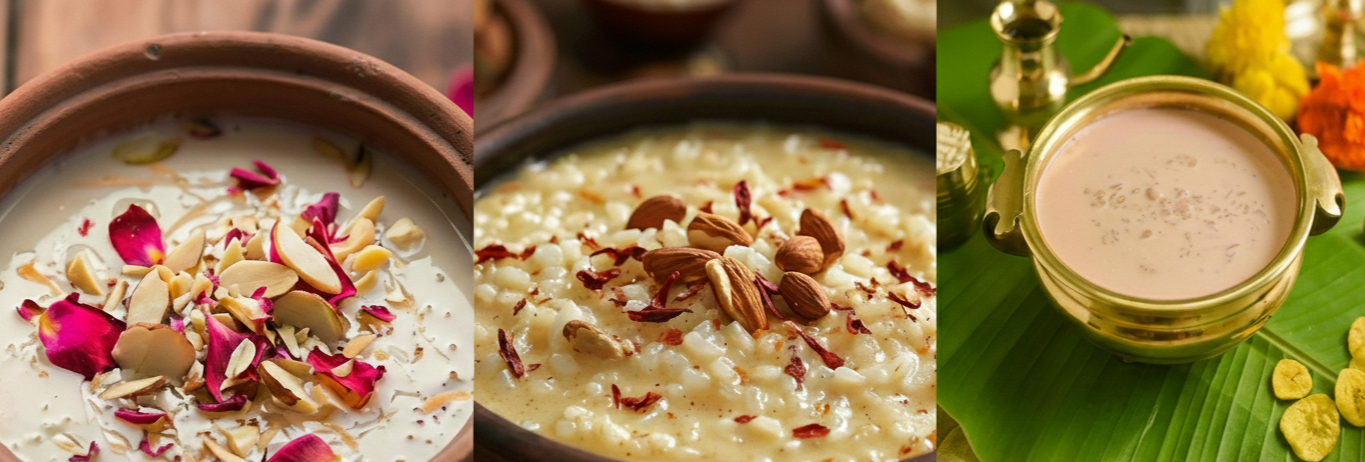
Have you ever been captivated by a dish you saw online, only to realise mid-recipe that the key ingredient you assumed you had is not actually the right one? That was me with Solkadhi. I was scrolling through YouTube when a stunning, bright pink Solkadhi appeared on screen — and I had Kodum Puli in my pantry. But the recipe called for Kokum.
Where the confusion begins
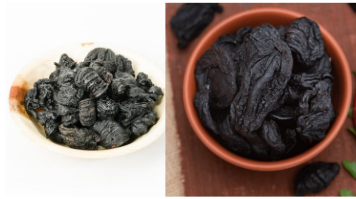
Both Kodum Puli and Kokum are dried, dark, intensely sour fruits used in Indian coastal cooking. Both are members of the Garcinia genus. Both add acidity and depth to curries and drinks. On a pantry shelf they look nearly identical. But they come from different plants, different regions, and create very different flavour profiles in the pot.
Kodum Puli — Kerala's souring agent
Kodum Puli, also known as Gamboge or Kudampuli, comes from Garcinia cambogia and is the defining souring agent of Kerala fish curries. Its sourness is sharp, clean, and direct — it cuts through the richness of coconut milk without muddying the flavour. The flavour it gives is unmistakable: the backbone of a proper Kottayam fish curry.
Kokum — the Konkan staple
Kokum comes from Garcinia indica and is native to the Konkan coast. Its sourness is deeper, fruitier, and more complex, with a slight sweetness underneath. It is what gives Solkadhi its characteristic pink colour and its cooling, digestive quality. The two are cousins, not twins. Each belongs to the cuisine that shaped it.