Have you ever had a brilliant culinary vision, only for reality to gently redirect you? That was me with kebabs. I was attempting to recreate a delicious veggie kebab, meticulously mixing my ingredients, confidently envisioning perfectly grilled skewers.
When the skewers fail
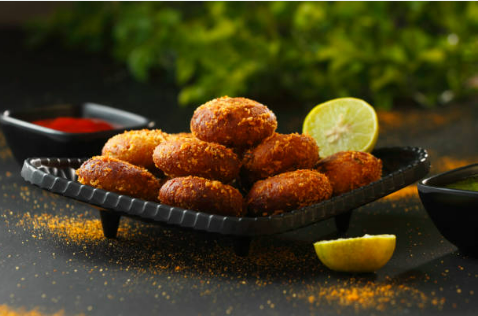
I loaded up my skewers, placed them on the grill — and then, disaster. The mixture just would not stick. With time ticking and hunger growing, I salvaged what I could, shaping the mix into round patties and pan-frying them. They were delicious. But as I bit into one, a thought hit me: this feels more like a cutlet than a kebab.
What kebab really means
The word kebab comes from Arabic and Persian, broadly meaning grilled or roasted meat. But across South Asia, the Middle East, and Central Asia, kebab has stretched to mean almost any shaped, spiced, cooked protein — skewered or not, grilled or pan-fried, flat or round.
Seekh kebabs are cylindrical, pressed onto skewers, cooked over flame. Shami kebabs are pan-fried patties of minced meat and lentils. Galouti kebabs are so soft they were historically made for a toothless Nawab. Every version is a legitimate answer to the same question: how do you take spiced, seasoned meat and give it a shape worth eating?
The lesson in imperfection
My pan-fried patties turned out to be closer to a shami kebab — a centuries-old preparation born from the same instinct I had that evening: make it work with what you have. The grill failure was not a failure at all. It was the kitchen steering me toward something older and equally delicious.