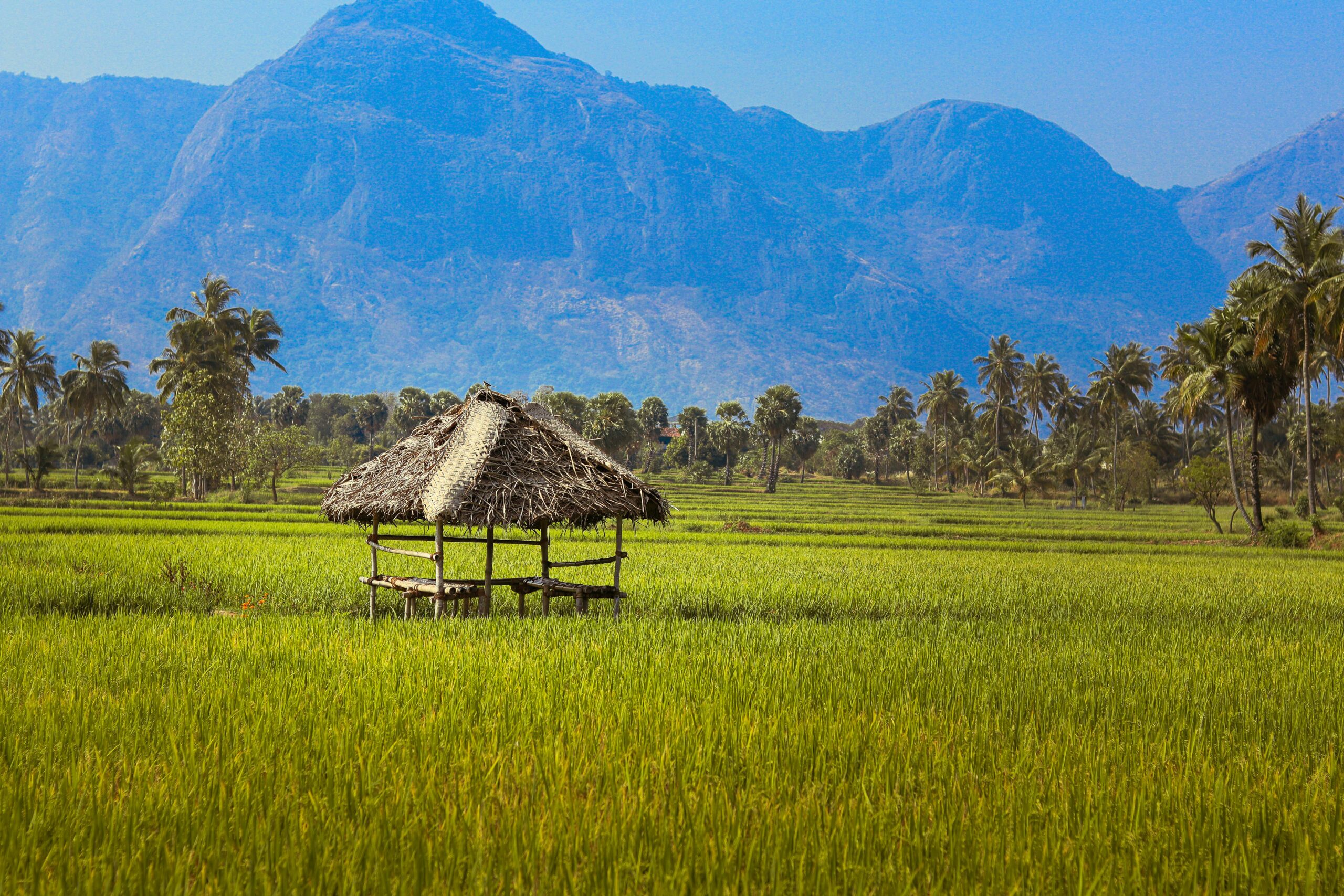
When I was younger, rice was just rice. A bowl of comfort, a plateful of routine, and the endless green paddy fields in my native place were simply part of the backdrop of life. I never stopped to think that this humble grain had a story far bigger than my dinner table. But the more I learned, the more I realised rice is not just food — it is a silent force that has shaped entire economies, cultures, and histories.
From wild grass to the first supply chain
Rice did not start in markets; it started in muddy fields thousands of years ago. When ancient farmers in Asia domesticated wild rice, they created something revolutionary: a steady, dependable food supply. That single shift — from foraging to farming — is what allowed permanent settlements, specialised labour, and eventually everything we recognise as civilisation.
Rice, trade, and power
For much of history, the ability to grow and store rice was directly correlated with political power. Kingdoms that controlled fertile river deltas controlled food security. The great empires of Southeast and South Asia were, in many ways, rice economies. Colonial powers understood this too: the dismantling of local rice economies in Bengal is directly connected to the famines that followed.
What the bowl means today
Rice remains the primary staple for more than half of the world's population. Global rice prices affect food security from West Africa to the Philippines. The bowl of rice in front of you is the end point of a system that spans millennia, continents, and economics. It is one of the most ordinary things in the world. It is also one of the most consequential.