Have you ever wondered why the pasta at your favourite Italian restaurant always seems to have that perfect bite — that beautiful way it clings to the sauce — while yours at home sometimes feels different? I certainly have. For years I wrestled with that exact question.
Why texture is not a preference, it's chemistry
When pasta cooks in boiling water, the starch granules absorb moisture and swell. Cook it too long and those granules rupture, releasing starch into a soft, gummy mass. Al dente — that slightly firm core — is the pasta still defending its structure.
That firmer inner core does something critical when the pasta hits the sauce. It continues to cook. The residual heat from the pan, combined with the moisture and fat of the sauce, finishes the job. The pasta absorbs the sauce rather than just being coated by it.
This is what restaurants do, almost universally, that home cooks often don't. They undercook the pasta by one to two minutes, drain it, and finish it in the pan with the sauce. The starch it releases helps emulsify the sauce. The result looks shinier, clings better, tastes more unified.
The al dente test — what you're actually looking for
Cut a piece of pasta and look at the cross-section. You want to see a thin white line at the center — the unhydrated core that will finish cooking in the sauce. No white line means overcooked. A thick white line means pull it now.
The timing on the packet is a guide, not a rule. Start tasting two minutes before the suggested time. Every thirty seconds after that.
Applying it at home
Reserve a cup of pasta water before you drain. The starchy water adjusts sauce consistency, helps emulsify fat and liquid, and gives the final dish a glossy, restaurant-quality finish.
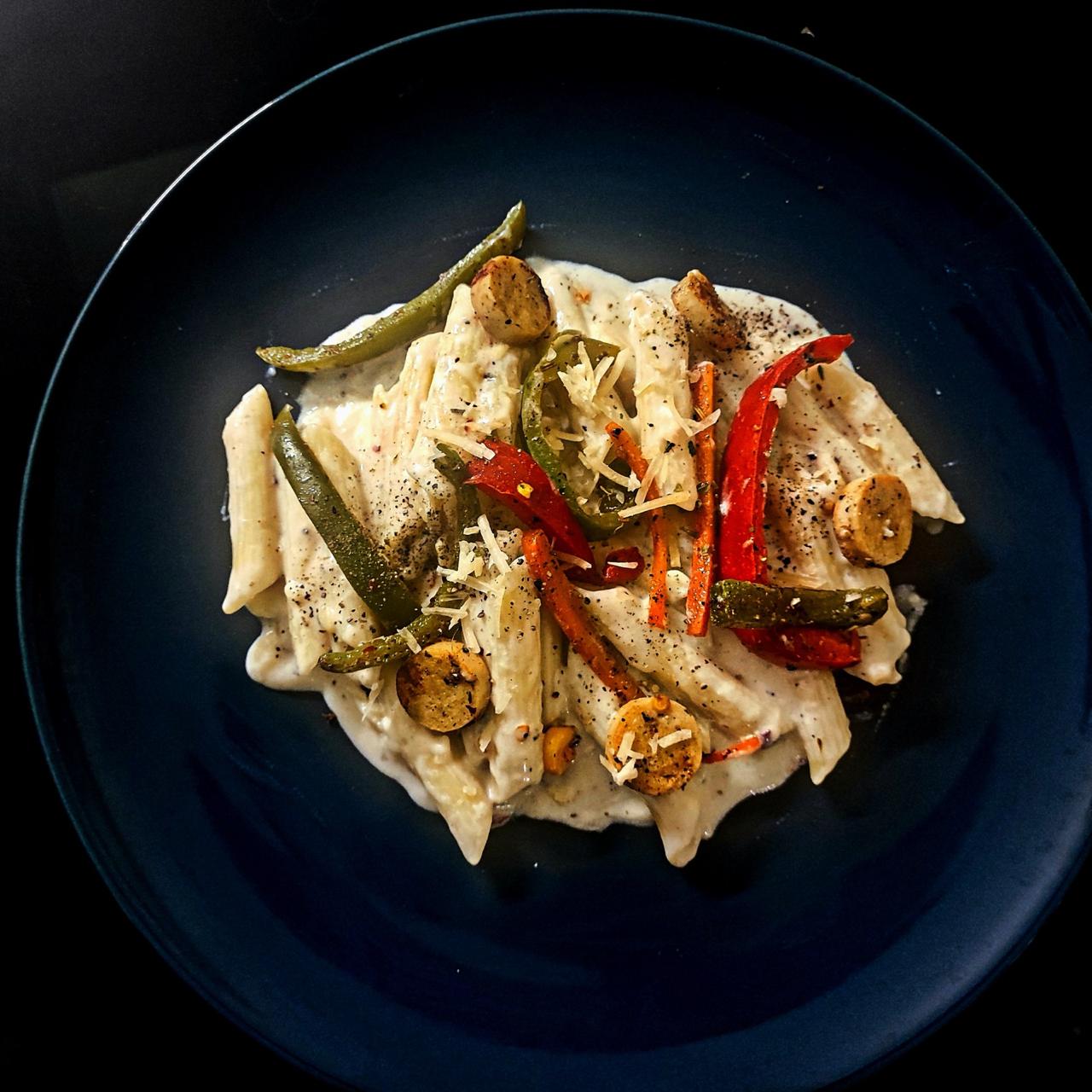
Pull the pasta at that thin white line. Add it directly to the sauce in the pan with a splash of pasta water. Toss constantly on medium heat for sixty to ninety seconds. The difference between good pasta and memorable pasta is usually this: one was finished in the pan, and one wasn't.