COOK JOURNAL
ESSAY
Discovering Wazwan: More Than Just a Feast, It's a Cultural Revelation
24 February 2026
8 MIns
My introduction to Wazwan wasn't through a recipe book or a travel guide. It was through the mesmerising lens of a documentary on wedding cooking, a captivating glimpse into a culinary tradition I knew absolutely nothing about.
I watched, utterly fascinated, as a group of skilled men – the Wazas, as I later learned – meticulously prepared what appeared to be an epic feast. Big vessels simmered over open fires. The process began with the butchering of meat, which was then passed along a human chain to other men who, with rhythmic precision, hammered the meat into incredibly thin strips. These strips were then transformed into perfectly shaped meatballs, cooked in two distinct bases: one a rich red gravy, and the other a creamy yogurt sauce.

But the real "aha!" moment came after the cooking. The food wasn't served individually. Instead, giant platters, laden with fragrant rice and an array of those incredible meat dishes, were brought out. Four people gathered around each platter, sharing the meal directly from it. My mind immediately flashed to images of communal eating in Middle Eastern countries, which I'd always associated with that style of dining. "Wait," I thought, "Kashmir has this shared eating tradition too?!"
This was my incredible, surprising introduction to Wazwan – a majestic multi-course feast from Kashmir. It's more than just food; it's a profound cultural celebration.
Wazwan: A Majestic Feast with Persian Roots
Wazwan isn't merely a meal; it's an elaborate culinary art form, deeply rooted in Kashmir's history and cultural identity. Its origins can be traced back to Central Asia and Persia, brought to Kashmir by skilled cooks and artisans. Over centuries, it evolved, blending Persian techniques with local Kashmiri ingredients and flavors, creating a distinct culinary experience unlike any other.
The preparation of a traditional Wazwan is an all-encompassing event, often spanning days, led by the 'Wazas' – master chefs whose culinary knowledge is passed down through generations.
A Symphony of Dishes: The Stars of Wazwan
My documentary viewing only scratched the surface, but it showed me the essence of Wazwan: a rich array of diverse dishes, primarily featuring lamb. The sheer variety and the mastery involved in each preparation truly highlight Kashmiri culinary artistry.
Some of the iconic dishes you'll find in a Wazwan include:
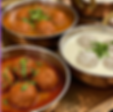
Rista: These are the meatballs I saw being meticulously pounded and cooked in a vibrant red gravy. They are tender, succulent, and infused with aromatic spices.
Gushtaba: Often referred to as the "king of Wazwan," Gushtaba consists of velvety, yogurt-based meatballs. These were the other meatballs I saw being prepared, offering a stark yet delicious contrast to the Rista.
Tabakh Maaz: Crispy, slow-cooked lamb ribs, often pan-fried until golden and tender.
Rogan Josh: While widely known, the Wazwan version of this fiery red lamb curry is typically richer and more complex.
Aab Gosht: A delicately flavored lamb curry cooked in a milky-white yogurt sauce.
These are just a few examples; a full Wazwan can comprise anywhere from 7 to 36 courses!
The Art of the Waza: Skill and Tradition
The documentary truly illuminated the dedication of the 'Wazas' (chefs). Their skill lies not just in their recipes, but in their traditional, slow-cooking techniques and their deep understanding of local ingredients. From the precise pounding of meat to the delicate balancing of spices, every step is a testament to years of inherited wisdom and mastery.
Communal Dining: A Symbol of Togetherness
My surprise about the shared plate turned out to be a key insight into Wazwan's cultural significance. Wazwan is central to Kashmiri celebrations, especially weddings, symbolizing abundance, hospitality, and community spirit.
The Trami: The communal platter, known as a 'trami' or 'thali', traditionally feeds four individuals. Sharing from a single trami promotes togetherness, strengthens bonds, and creates a unique communal dining experience that is both intimate and grand.
Beyond the Meal: The sight of families and friends sharing stories and laughter over a single trami is a powerful symbol of unity and celebration. And yes, the provision of packets for leftovers? That's just the epitome of generosity and hospitality!

My Wazwan Revelation
My accidental introduction to Wazwan through a documentary was a revelation. It wasn't just about discovering new dishes; it was about understanding a profound cultural tradition where food is inextricably linked to hospitality, community, and celebration. It taught me that while some dining customs might seem unique to one culture, they often have parallels in unexpected corners of the world, connecting us through shared human experiences.
Wazwan truly is more than just a feast; it's a journey into the heart of Kashmiri heritage.